
Adaptogens in our tea: mushrooms
Lion’s mane mushrooms (Hericium erinaceus) are known for their unique appearance, culinary uses and potential to offer a variety of health benefits. These mushrooms have a long history in traditional Chinese medicine and more recently have been the subject of growing interest in both medical and wellness communities. Turkey tail mushrooms (Trametes versicolor) are chiefly known for their medicinal properties and are typically considered too tough to eat. Like lion’s mane, they have been used in traditional Chinese medicine for thousands of years.
In this article I will provide a brief overview of the potential health benefits found in these mushrooms. I will focus on one class of compounds found in both lion’s mane and turkey tail: beta-glucans.
Beta-Glucans
Mechanisms of Action
🦠 Gut health
🛡️ Immune support
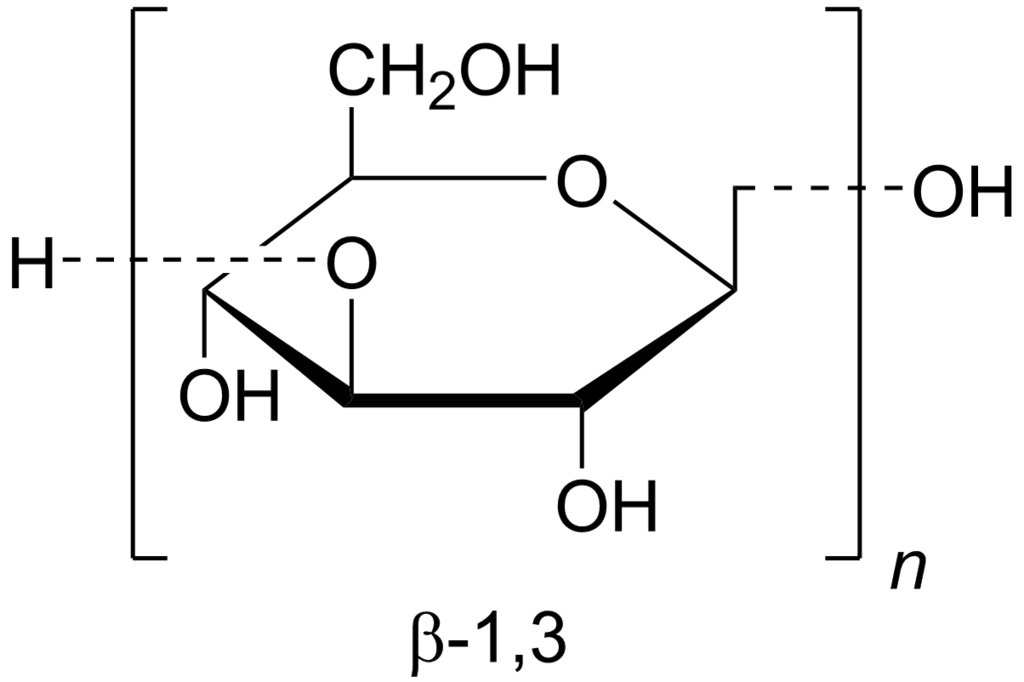
Fungal beta‑glucans, particularly the beta‑1,3/1,6 type found in lion’s mane, turkey tail, and other species of mushrooms, strengthen the immune system by activating key pattern-recognition receptors (PRRs) on immune cells.
Beta-glucans also may act as antioxidants which help protect the body from oxidative stress. By reducing oxidative damage, beta-glucans can contribute to a more balanced immune response and may help prevent chronic inflammation.
🧠 Cognitive health
Sources and Further Reading
Snart J., Bibiloni R., Grayson T., Lay C., Zhang H., Allison G.E., Laverdiere J.K., Temelli F., Vasanthan T., Bell R., et al. Supplementation of the diet with high-viscosity beta-glucan results in enrichment for Lactobacilli in the rat cecum. Appl. Environ. Microbiol. 2006;72:1925–1931. doi: 10.1128/AEM.72.3.1925-1931.2006.
Ruthes A.C., Carbonero E.R., Cordova M.M., Baggio C.H., Santos A.R.S., Sassaki G.L., Cipriani T.R., Gorin P.A.J., Lacomini M. Lactarius rufus (1->3), (1->6)-β-D-glucans: Structure, antinociceptive and anti-inflammatory effects. Carbohydr. Polym. 2013;94:1236–1291. doi: 10.1016/j.carbpol.2013.01.026.
Silveira M.L.L., Smiderle F.R., Moraes C.P., Borato D.G., Baggio C.H., Ruthers A.R., Wisbeck E., Sassaki G.L., Cipriani T.R., Furlan S.A., et al. Structural characterization and anti-inflammatory activity of linear β-D-glucan isolated from Pleurotus sajor-caju. Carbohydr. Polym. 2014;113:588–596. doi: 10.1016/j.carbpol.2014.07.057.
Kofuji K., Aoki A., Tsubaki K., Konishi M., Isobe T., Murata Y. Antioxidant activity of β-glucan. ISRN Pharm. 2012;2012:125864. doi: 10.5402/2012/125864.
Vetvicka V., Vetvicka J. Glucan supplementation enhances the immune response againstan influenza challenge in mice. Ann. Transl. Med. 2015;3:22. doi: 10.3978/j.issn.2305-5839.2015.01.08.
Kuda T., Kosaka M., Hirano S., Kawahara M., Sato M., Kaneshima T., Nishizawa M., Takahashi H., Kimura B. Effect of sodium-alginate and laminaran on Salmonella typhimurium infection in human enterocyte-like HT-29-Luc cells and balb/c mice. Carbohydr. Polym. 2015;125:113–119. doi: 10.1016/j.carbpol.2015.01.078.
Sener G., Eksioglu-Demiralp E., Cetiner M., Ercan F., Yegen B.C. β-glucan ameliorates methotrexate-induced oxidative organ injury via its antioxidant and immunomodulatory effects. Eur. J. Pharmacol. 2006;542:170–178. doi: 10.1016/j.ejphar.2006.02.056.
Yamanaka D., Tada R., Adachi Y., Ishibashi K.-I., Motoi M., Iwakura Y., Ohno N. Agarius brasiliensis-derived β-glucans exert immunoenhancing effects via a dectin-1 –dependent pathway. Int. Immunopharmacol. 2012;14:311–319. doi: 10.1016/j.intimp.2012.07.017.
Chen S., Zhang F., Liu L., Feng J., Zhang J., Yang Y., Wu D., Guo Q., Liu Y. Physicochemical properties of polysaccharides from Hericium erinaceus by steam explosion pretreatment and its effects on human gut microbiota. Food Hydrocoll. 2024;156:110365. doi: 10.1016/j.foodhyd.2024.110365.
Other compounds of interest
Lion’s mane mushrooms are probably best known for their brain-boosting properties. Studies have shown lion’s mane mushrooms may have the potential to enhance memory, focus, and overall cognitive function. These effects are usually attributed to two unique families of compounds found in lion’s mane: hericenones and erinacines.
These compounds stimulate the production of nerve growth factor (NGF), a protein essential for the survival, maintenance, and growth of neurons. By boosting NGF levels, Lion’s mane promotes neurogenesis and neuronal repair, particularly in the hippocampus, a brain region involved in learning and memory.
Hericenones are present in the fruiting body of lion’s mane, but erinacines are only present in the mycelium. Both classes of compounds activate NGF but erinacines are roughly 5 times as potent as hericenones at doing so. We use an extract of the fruiting body in our mushroom tea which does NOT contain erinacines, so if you are looking to seriously investigate the use of lion’s mane in inducing NGF, we recommend purchasing a separate supplement rather than trying to get that out of our tea. Make sure you read reviews and investigate the company’s products as many companies use extracts of mycelated grain and not the mycelium itself. For erinacine I would recommend Oriveda’s full spectrum ethanol extract of lion’s mane mycelium or Nootropics Depot’s Erinamax supplement. For hericenones, 1:1 lion’s mane extract is the way to go. A 1:1 extract is an unfiltered extract of the fruiting body which ensures maximum bioavailability while leaving no potentially beneficial compound behind. We produce a 1:1 extract of lion’s mane, although we do not yet sell it online. 1:1 fruiting body extracts are widely produced, Oriveda and Real Mushrooms both carry 1:1 extracts that have gotten good reviews.
Protein-Bound Polysaccharides found in turkey tail mycelium
Some of the most exciting potential medicinal uses of turkey tail mushrooms are attributed to two protein-bound beta glucans: polysaccharide peptide (PSP) and polysaccharide krestin (PSK.) We use extracts of the fruiting body in our tea which do not contain useful quantities of any of these peptides. PSK is produced in the mycelium of turkey tail, and PSP is produced by immersed liquid state fermentation of a specific strain (COV-1) of turkey tail that has been used in medical research.
PSP is currently in the animal-testing phase of research in many countries for use as an anti-tumor drug and is believed to work as a biological response modifier (BRM), enhancing the body’s own use of macrophages and T-lymphocytes, rather than directly attacking any tumors. PSK has been approved in Japan for use as an adjuvant therapy in cancer since the mid-70s. It is typically used to strengthen the immune system when given with standard cancer treatment. If you are interested in these compounds I personally would point you towards Oriveda’s PSP-50 supplement, which as far as I know is the only supplement on the market made with the PSP producing COV-1 strain of turkey tail.
Sources and Further Reading
Contato, A.G.; Conte-Junior, C.A. Lion’s Mane Mushroom (Hericium erinaceus): A Neuroprotective Fungus with Antioxidant, Anti-Inflammatory, and Antimicrobial Potential—A Narrative Review. Nutrients 2025, 17, 1307.
Association for the Advancement of Restorative Medicine. (n.d.). Lion’s Mane (Hericium erinaceus). RestorativeMedicine.org.
Ratto, D.; Corana, F.; Mannucci, B.; Priori, E.C.; Cobelli, F.; Roda, E.; Ferrari, B.; Occhinegro, A.; Di Iorio, C.; De Luca, F.; et al. Hericium erinaceus improves recognition memory and induces hippocampal and cerebellar neurogenesis in frail mice during aging. Nutrients 2019, 11, 715.
Turkey Tail Polysaccharides
T.B. Ng, A review of research on the protein-bound polysaccharide (polysaccharopeptide, PSP) from the mushroom Coriolus versicolor (basidiomycetes: Polyporaceae), General Pharmacology: The Vascular System, Volume 30, Issue 1, 1998, Pages 1-4, ISSN 0306-3623, https://doi.org/10.1016/S0306-3623(97)00076-1.
PDQ Integrative, Alternative, and Complementary Therapies Editorial Board. Medicinal Mushrooms (PDQ®): Patient Version. 2024 Jul 11. In: PDQ Cancer Information Summaries [Internet]. Bethesda (MD): National Cancer Institute (US); 2002-.